• Perfil

Blog de José Félix Rodríguez Antón

~ conocimiento de las cosas

Blog de José Félix Rodríguez Antón

Archivos mensuales: julio 2018

Factor IX-Padua: gene therapy and hemophilia

26 jueves Jul 2018

Posted by José Félix Rodríguez Antón in Bioquímica, CIENCIA, Ensayos clínicos, Genética

≈ Deja un comentario

Etiquetas

coagulation, Factor IX, genetics, hematology, hemophilia, hemophilia B, Katherine A. High, Lindsey A. George
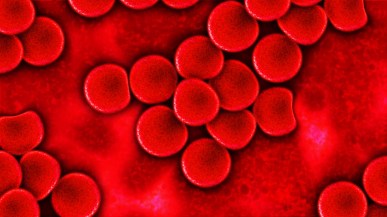
sangre

Hemophilia is a Mendelian disease (which is inherited by the mutation of a single gene) on the X chromosome, the disease is transmitted as a sex-linked character, occurs mainly in males.
It is a recessive genetic disease that prevents the proper coagulation of blood. As a result, the wounds of those affected bleed for a longer period of time, leading to hemorrhages both externally and internally.


The mechanism of «coagulation» responsible for the formation of fibrin (produces the definitive clot of lax aggregate of platelets) involves a series of reactions in «cascade», accepting a numerical system for the different coagulating factors.


There are several types:


Hemophilia A: when there is a deficiency of coagulation factor VIII (glycoprotein), 1 person per 10000 males, plays a fundamental role in the transformation of prothrombin into thrombin intrinsic pathway.


Hemophilia B: deficit in coagulation factor IX (beta antihemophilic factor), 1 person for every 32,000 males, stimulates factor X.


Hemophilia C: deficiency in the clotting agent XI (plasma thromboplastin), 1 person per 15,000, stimulates factor IX.


There is currently no curative treatment available (with the exception of a liver transplant), the hemorrhagic tendency can be corrected by intravenously administering the missing coagulation factor, factor VIII or IX.

In recent years, the development of genetic engineering has made it possible to start a new era in the treatment of the disease. It consists in the introduction of genes in the patient’s determined cells that are able to combine with the existing genetic material, providing the missing information to make the deficient protein that causes the disease.


Researchers at Children’s Hospital of Philadelphia (USA) seem to have found a way to do it. The study published in the journal «The New England Journal of Medicine» (December 7, 2017) presented by Dr. Lindsey A. George, assistant physician of the Hematology Division principal investigator of the trial: 10 patients treated in the study experienced a sustained clinical benefit after a single infusion, in this case adults with hemophilia B can synthesize coagulation factor IX in a safe way. The study carried out is of the so-called «phase I / II».


They used the «factor IX-Padua«, a coagulation factor discovered in 2009 and produced naturally by members of a family in the Italian city of Padua, which has a coagulation capacity up to 10 times higher than factor IX «Normal», the goal of the new therapy was to «introduce» the gene that codes for «factor IX-Padua» in patients with hemophilia B so that they could synthesize it by themselves. The authors used as a vector an adeno-associated virus (AAV) that carried the gene responsible for the expression. The 10 treated adult males maintained coagulation factor levels close to 33%, enough to eradicate most episodes of bleeding. After the 78 weeks of study, the levels of the coagulation factor remained stable.


In parallel Spark Therapeutics and Pfizer on December 20, 2017 announced the preliminary data of a phase 1/2 clinical trial conducted with a gene therapy for hemophilia B. Published in the «New England Journal of Medicine» on July 25, 2017: led by Dr. Katherine A. High president and director of research and development of Spark Therapeutics and co-author of the article, in this open, non-randomized, multicenter clinical trial, 10 adult male patients receive an infusion of SPK-9001, the annual bleeding rate (TSA) decreased by 97%, after a cumulative follow-up period of 492 weeks of observation factor IX was 34% of normal., they could have the potential to safely maintain the level of coagulant activity.


In July, Pfizer initiated an open-label, multicenter phase III study (NCT03587116) with experimental gene therapy (elaparvovec fidanacogen) to evaluate the efficacy and safety of the current treatment for factor IX replacement.


Glossary:


AAV adeno-associated viruses: viruses similar to those that cause colds, which have a very small genome, the great advantage is that they have the ability to integrate their genome into non-dividing cells, used as a vector to introduce the gene.

Multicenter study: it is carried out in more than one medical institution

Non-randomized study: participants are not randomly assigned.

Open study: both the researcher and the patient know the identity of the drugs used.

 
Phase I study: first studies involving humans, usually of small dimensions. The way to administer the drug and the highest dose that can be administered without risk is studied.

Phase II study: the effectiveness of the new treatment is monitored, it is observed if any benefit occurs.

Phase III study: they compare safety and effectiveness of the new treatment with the current reference treatment, they are large, they are carried out in several places.

 
Bibliography:
Timothy M.Cox & John Sinclair; «Molecular Biology in Medicine», Ed. Blackwell Science, 1997


• Valder Arruda & Ben J. Samelson-Jones; «Factor IX Padua: From Biochemistry to Gene Therapy»; Blood; 2016
http://www.bloodjournal.org/content/128/22/SCI-9?sso-checked=true
• Lindsey A. George et al.; “Hemophilia B Gene Therapy with a High-Specific-ActivityFactor IX Variant; The New Journal of Medicine”;; December 7, 2017

Haz clic para acceder a Hemophilia-B-Gene-Therapy-with-a-High-Specific-Activity-Factor-IX-Variant.pdf


• Clinical Trial NCT03587116

Clinical Trials. gov; July 2018
https://clinicaltrials.gov/ct2/show/NCT03587116

FDAAA Trials Tracker; July 2018
http://fdaaa.trialstracker.net/trial/NCT03587116/
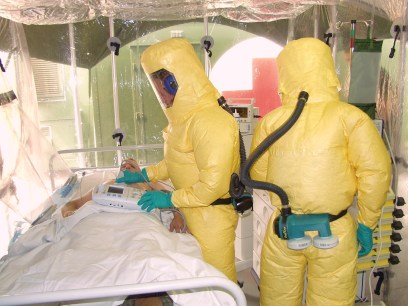
«Unicorn» a new tool against Ebola

20 viernes Jul 2018

Posted by José Félix Rodríguez Antón in CIENCIA

≈ Deja un comentario

Etiquetas

Ébola, GP, Juan García Arriaza, MLDs, NPD-1, Rafael Delgado, Unicorn

ebola-ec31b80b2f_1920

Extremely effective agents, capable of neutralizing all known varieties of Ebola virus:
• Sudan
• Zaire
• Bundibugyo


Disadvantages are the variability and capacity of these viruses to hide the most vulnerable areas of their envelope and avoid being recognized and neutralized by antibodies.


A new therapeutic strategy against the disease: the modification of the virus envelope will allow introducing a greater production of these antibodies.
The study has been coordinated by Rafael Delgado and a group of researchers, the Microbiology Service and the Research Institute of the University Hospital 12 de October i + 12, have also collaborated the Infectious Diseases Unit of the Hospital La Paz and the Center scientist National Biotechnology (CNB-CSIC) Juan García Arriaza, have shown that the discovered antibodies can access these recondite areas if the envelope of the virus is modified before to remove those protections and expose the critical regions inside.

 
That type of antibodies, known as «Unicorn» because of the rarity in number, is detected in samples from patients who have overcome the infection. It is a natural defense that the survivors of this deadly disease have developed. The finding opens the door to a new vaccine.

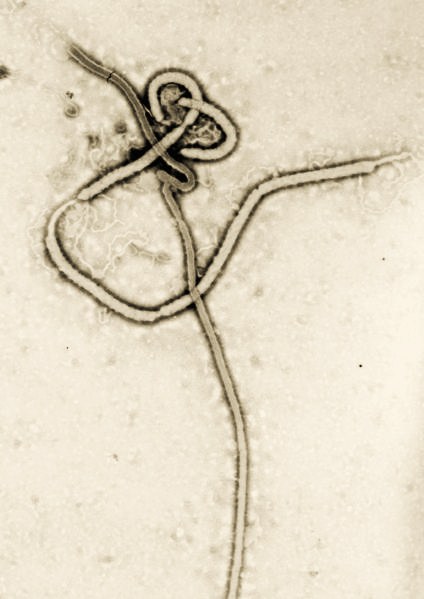
Ebola_virus_em
Ebola is a filiform (elongated) virus that encloses, through a protein envelope, a fiber of genetic material called RNA. It is responsible for the disease also known as hemorrhagic fever and it is fatal in 80-90% of cases, five different strains are known.

 
The results of this research have been published in the journal «The Journal of Infections Disease», it is a study have showed low neutralizing activity against full-length GPs o SUDV, BDBV, RESTV, and EBOV variants Mayinga and Kikwit.
It is not clear whether survivors are protected against homologous or heterologous ebolavirus.

 
Ebolavirus exhibits a complex process of cellular interaction and entry before actual fusion is produced in the late endosomal compartment. During the process of ebolavirus entry, the cleavage of the virion-associated glycoprotein (GP) by host cell cathepsins removes the glycan cap and mucin-like domains (MLDs), producing another, functionally distinct form of GP (GPcl). The cleavage of GP is thought to expose the receptor-binding site and, upon interaction with the late endosomal receptor NPC-1, mediates fusion of viral and cellular membranes. It has been previously proposed that Abs against MLD and the glycan cap are generally nonneutralizing, most likely because they are removed together with their epitopes from viral particles once endocytosis occurs. On the other hand, a number of Nabs were shown to remain attached during GP enzymatic processing because they were positioned at sites where they could prevent rearrangements necessary for viral fusion.

 
The 6D6 antibody was shown to successfully prevent cellular entry in vitro by isolates from all Ebolavirus species and to protect against virus infection in a mouse model.
They are pleomorphic viruses (of variable morphology).


The genome of the virus consists of a single molecule of linear single-stranded RNA of negative polarity (19.1 kb). The nucleotide is made up of two types of proteins: the NP protein, whose function is structural and the L protein. The capsid consists of several proteins: protein P, VP 30 (protein that allows it to unfold inside a host cell), VP35 , VP24 and VP40. The VP24 proteins together with VP40 form a matrix that holds the nucleoid together with the capsid (viral nucleocapsid).


Bibliography:


Luczkowiak J, Lasala F, Mora-Rillo M, Arribs JR, Delgado R; “Broad Neutralizing Activity Against Ebolaviruses Lacking the Mucin-Like Domain in Convalescent Plasma Specimens From Patients With Ebola Virus Disease”; The Journal of Infections Disease; 2018 Jun 25

https://academic.oup.com/jid/advance-article/doi/10.1093/infdis/jiy302/5043460

 
OMS
http://www.who.int/es/news-room/fact-sheets/detail/ebola-virus-disease

NDMA (Nitrosodimetilamine)

07 sábado Jul 2018

Posted by José Félix Rodríguez Antón in cáncer, CIENCIA, INDUSTRIA FARMACÉUTICA, Química, SANIDAD

≈ Deja un comentario

Etiquetas

AEMPS, ATSDR, IARC, NDMA, NIOSH, reparación ADN, SFWATER.ORG, valsartan

N-Nitrosodimethylamine_Ball_and_Stick

It is a toxic chemical compound related to affected medications.
N- nitrosodimetilamine is a member of a chemical class, the N-nitrosoamines, which are suppected carcinogens. It is toxic to the liver and other organs, and is a human carcinogen.

 
NDMA was first detected in groundwaters of Northern California in 1998. Is a semi-volatile organic chemical and has the molecular formula O=N-N (CH3)2. Yellow in color, and it has little or no taste and odor. Is soluble in water (3.978 mg/L) and is not likely to bioaccumulate, biodegradable, absorb to particulate water or volatilize. Is a semi-volatile organic chemical produced as by-product of several industrial processes and present at very low levels.

 
NDMA is formed involuntarily during several manufacturing processes, in many industrial areas and in the air, water and soil, as a consequence of reactions with other chemical substances called «alkylamines». Alkylamines are compounds that occur naturally or can be manufactured.

 
NDMA is found in the diet:
• Meat and cured meat products
• Fish and fish products
• Beer
• Milk
• Cheese
• Soybean oil
• Canned fruit
• Apple Brandy
• Tobacco smoke
It is however unlikely to bioaccumulate, in the body NDMA is formed when acidic conditions in the stomach catalyze the reaction between nitrite and dimethylamine (DMA).
NDMA occurrence in drinking water may result from industrial groundwater contamination (rocket fuel), from the chlorination/chloramination of cationic polymers, from the use of ion exchange resines, and as a chlorination/ chloramination by product.

 
In industrial processes:
• manufacture of rubber tires
• leather tanning
• production of pesticides
• fish processing


The EPA IRIS classification of NDMA is B2, meaning that it can be reasonably anticipated to be a human carcinogen based on animal studies, however inadequate human data exist.
The unit risk factor: the maximum admissible concentration of NDMA:
• in drinking water in lakes and streams of water is 7ng L-1, 5-50 ppm., 0.00069 ppb.

• in air 16 parts per million (ppm)

• in foods 5-100 (ppm)


Bibliography:


• ATSDR: Agency for Toxic Substances & Disease Registry
https://www.atsdr.cdc.gov/toxprofiles/tp.asp?id=884&tid=173


• SFWATER.ORG: Water Quality
https://web.archive.org/web/20040803064201/http://sfwater.org:80/detail.cfm/MC_ID/10/MSC_ID/51/MTO_ID/NULL/C_ID/1865


• NIOSH: The National Institute for Occupational Safety and Health
https://www.cdc.gov/niosh/npg/npgd0461.html


• AEMPS: Agencia Española de Medicamentos y Productos Sanitarios
https://www.aemps.gob.es/informa/notasInformativas/medicamentosUsoHumano/calidad/2018/NI_ICM-CONT_08-2018-retirada-valsartan.htm


• Wikipedia: N-nitrosodimetilamine
https://en.m.wikipedia.org/wiki/N-Nitrosodimethylamine


• International Agency for Research on Cancer
https://www.iarc.fr/


• U.S. Environmental Protection Agency
https://www.epa.gov/


• Colin Baird
“Quimica Ambiental” Ed. Reverte, University of Western Ontario, 2ª ed. 2001


Estadísticas del sitio

  • 361.987 hits

Introduce tu correo electrónico para suscribirte a este blog y recibir avisos de nuevas entradas.

Únete a otros 205 suscriptores

Entradas recientes

  • BRIGADA AL SALVADOR
  • Consideraciones a la 4ª Brigada Urológica a Oaxaca (México) (diciembre-2023)
  • Proyecto M2: Telescopio Euclid
  • “San Alonso de Orozco: culto, historia y arte”
  • Comunicación de la obra pictórica: galerías, exposiciones y redes sociales
julio 2018
S D L M X J V
 123456
78910111213
14151617181920
21222324252627
28293031  
« Jun   Ago »

Categorías

Estadísticas del sitio

  • 361.987 hits

Entradas recientes

  • BRIGADA AL SALVADOR
  • Consideraciones a la 4ª Brigada Urológica a Oaxaca (México) (diciembre-2023)
  • Proyecto M2: Telescopio Euclid
  • “San Alonso de Orozco: culto, historia y arte”
  • Comunicación de la obra pictórica: galerías, exposiciones y redes sociales

Enter your email address to follow this blog and receive notifications of new posts by email.

julio 2018
S D L M X J V
 123456
78910111213
14151617181920
21222324252627
28293031  
« Jun   Ago »

Páginas

  • Perfil

Categorías

Meta

  • Crear cuenta
  • Iniciar sesión
  • Feed de entradas
  • Feed de comentarios
  • WordPress.com

Crea un blog o una web gratis con WordPress.com.

Privacidad y cookies: este sitio utiliza cookies. Al continuar utilizando esta web, aceptas su uso.
Para obtener más información, incluido cómo controlar las cookies, consulta aquí: Política de cookies
  • Suscribirse Suscrito
    • Blog de José Félix Rodríguez Antón
    • Únete a otros 205 suscriptores
    • ¿Ya tienes una cuenta de WordPress.com? Inicia sesión.
    • Blog de José Félix Rodríguez Antón
    • Suscribirse Suscrito
    • Regístrate
    • Iniciar sesión
    • Denunciar este contenido
    • Ver el sitio en el Lector
    • Gestionar las suscripciones
    • Contraer esta barra
 

Cargando comentarios...