Tendencias sanitarias para el 2017

Etiquetas

, , ,

2017

La OMS establece como problemas del 2016 que se acaba:

  • Escasez de vacunas en África
  • Daño en la salud de jóvenes por desigualdades sociales y de género
  • Aumento de muertes en Europa relacionado con el alcohol
  • Enfermedades producidas o agravadas por respirar aire contaminado
  • Emergencias causadas por desastres naturales
  • Conflictos armados en el Oriente Medio y grandes crisis humanitarias en Sudán del Sur y Nigeria


Sin embargo está esperanzada en el 2017 que empieza:


  • Aumenta el control con las campañas del consumo de tabaco
  • Eliminación en muchos países de la filariasis linfática, el tracoma cegador, la leishmaniasis visceral, la esquistosomiasis y otras enfermedades tropicales desatendidas
  • Disminución de la transmisión de madre a hijo del VIH y sífilis


PricewaterhouseCoopers (Pwc) Health Research Institute establece las siguientes proyecciones para el 2017:

Los costes médicos seguirán aumentando al mismo ritmo que en 2016. Con una tasa de crecimiento del 6,5%.

Se conoce como “tendencia”: la suma de todos los cambios en el costo en toda la industria de la salud.

  • Los costos quirúrgicos seguirán aumentando debido a nuevas tecnologías médicas, mejores y más caras, en el uso hospitalario.
  • El coste en material médico disminuirá debido al uso de materiales más baratos.

Cada uno de los siguientes factores puede afectar a la tendencia:

  • Inflación o deflación de precios
  • Utilización de los servicios de salud
  • Envejecimiento de la población
  • Efecto de apalancamiento de los deducibles y copagos
  • Variaciones en los patrones de tratamiento
  • Cambios en la legislación Autonómica o estatal
  • Mejoras en tecnologías o medicación
  • Cambio en costos de aportaciones públicas o compañías privadas de salud


Contribución de los componentes de la asistencia sanitaria: un 30% hospitalización, 19% hospitalización ambulatoria, médicos 30% y medicamentos recetados un 17%. Los medicamentos son una porción pequeña del gasto general en salud.

Como el índice de precios al consumidor médico (IPC), se espera que las tendencias de costes en 2017 se mantengan relativamente planas . Los costos de los medicamentos recetados se proyectan aumentar en el 2017.

Respecto a la salud laboral una pequeña proporción de la fuerza de trabajo mundial tiene acceso a servicios de salud laboral, la OMS elaboró un “Plan de Acción Mundial (PAM)” sobe la Salud de los Trabajadores (2008-2017), el plan trata de abordar todos los determinantes de la salud de los trabajadores:

  • Riesgos de enfermedades
  • Lesiones en el entorno ocupacional
  • Factores sociales e individuales
  • Acceso a los servicios de salud


La aplicación del PAM se instaló en los 193 Estados Miembros de la OMS para elaborar políticas y planes nacionales con las empresas y los trabajadores, se incluye:

  1. Enfermedades transmisibles y crónicas
  2. Promoción de la salud
  3. Salud mental
  4. Salud ambiental y desarrollo de sistemas de salud


Express Scripts publicó un informe de 5 formas de salud que van a cambiar para el año 2017:

  1. Inflación de los precios de los medicamentos
  2. Aumento de los programas educativos sanitarios
  3. Aumento de la población envejecida: con el aumento de consumo medico y farmacéutico
  4. Impacto de Mega Health Systems: con el paso a una prestación sanitaria personalizada, con un aumento de decisiones por parte de la farmacia.
  5. Mayor uso de los servicios de salud mental: aumentara el gasto sanitario el próximo año, pero puede ayudar a manejar los costes a largo plazo al evitar otros problemas de salud.


Bibliografía:

  • OMS

OPS/Asamblea Mundial: www.paho.org/ams69

Documentos de la 69ª Asamblea Mundial de la Salud: http://apps.who.int/gb/s/s_wha69.html

OMS/Asamblea Mundial: http://www.who.int/mediacentre/events/2016/wha69/en/

  • PWC Health Research Institute proyecciones de 2017

http://www.pwc.com/us/en/health-industries/health-research-institute.html

  • Express Scripts cambios en la salud para el 2017

https://lab.express-scripts.com/lab/insights/industry-updates/7-ways-healthcare-will-change-by-2017


Links relacionados:

  • ExpoEcoSalud 2017

http://www.expoecosalud.es/actos/jornada_dieta.php?locale=en

  • MSC in Global Health

http://www.healthcarestudies.com/MSc-in-Global-Health/Ireland/TCD/


Glaciations and thermodynamic

Etiquetas

, , , , , , , ,

glacier-530050_1280

Earth system is maintained in a state so far away from TE (Equilibrium thermodynamics) despite the natural direction towards mixing matter and depleting sources of free energy. The Exchange of energy and mass with the surroundings is a critical component that allows systems to evolve away from TE without violating the second law of thermodynamics. The evolutionary direction of the Earth systems away from TE can thus be understood as a consequence o the MEP principle (Maximum Entropy Production).

Life affects climate through its role in the carbón and water cycles and through such mechanisms as albedo, evapotranspiration, cloud formation and weathering.

The glacial and inerglacial periods  of the Quaternary Ice Age were named after characteristic geological features.

Geological time scale:

ERA                              PERIOD                   EPOCA                          Millions of years ago

CENOZOICO 


 Quaternary       

Holocene                       0.01————today

Pleistocene                   2.0————-0.01


Tertiary   

Pliocene                       5.1————-2

Miocene                        24.6————5.1

Oligocene                      38.0———–24.6

Eocene                           54.9———–38

Paleocene                      65.0———-54.9

MESOZO———-248————65

PALEOZOIC    

Premian                         286———–248

Carboniferous             360———–286

Devorian                       408———–360

Silurian                         438———–408

Ordovician                    505———–438

Cambrian                      545———–505


Nomenclaturte of Quaternary glacial cycles

1ST             Würm                    glacial period      12-71 Ka

                   Riss-Würm            interglacial           115-130

2ND           Riss                         glacial period       130-200

                   Mindel-Riss          interglacial           374-424

3RD-6TH   Mindel                   glacial period       424-478                  

                    Günz-Mindel        interglacial           478-563

7TH-8TH    Günz                      glacial peiod         621-676


The second ice age, and posibly most severe, is estimated to have ocurred from 850 to 635 Ma agen, in the Neoproterozoic Era. A minor series of glaciations occurred from 460 Ma to 430 Ma. There were extensive glaciations from 350 to 250 Ma. The current ice age, called the Quaternary glaciation, has seen more or less extensive glaciation on 40.000 and later, 100.000 year cycles.

The planet seems to have three main setting and colon:

snowball”: when planet´s entrie surface is frozen over

icehouse”: when there is some permanent ice

greenhouse”: when tropical temperaturas extend to the poles

  • 4 to 2.1 billion years ago: snowball Earth, the Huronian glaciation is the oldest ice age we know about. Home only to unicelular life-forms.
  • 850 to 630 million years ago: deep freeze, the evolution of large cells, and possibly also multicelular organisms, this would have sucked CO2 out of the atmosphere, weakening the greenhouse effect and thus lowering global temmperatures.
  • 460 to 430 million years ago: mass extinction, the late Ordovician period, the plants becoming common over the course of the Silurian period.
  • 360 to 260 million years ago: plants invade the land, expansión of land plants that followe the Cryogenian. As plants spread over the planet, they aboserved CO2, from the atmosphere and releaxed oxygen.
  • 14 million yearse ago: Antarctica freezes ago, increased weathering, which sucked CO2, out of the Atmosphere and reduced the greenhouse effect.
  • 50 million years ago: lateste advance of the ice, the main trigger for the Quaternary glaciation was the continuing fall in the level of CO2 in the atmosphere due to the weathering of the Himalayas.
  • 000 to 12.000 yearse ago: our ice age, the cool temperaturas of the Quaternary may have allowed our brains to become much larger than those of our of hominid ancestors. As the glacial period drew to a close and temperaturas began to rise, there were two final cold snaps.


Changes in the sun´s energy affect how much energy reaches Earth´s system

Changes in the sun´s intensivity have influenced Earth´s climate in the past.  Changes in Earth´s orbit have had a big impact in climate over tens to  hundreds of thousands of years. Primary cause of past cycles of ice ages, long periods of cold temperatures (ice ages), as well as shorter interglacial periods  of relatively warmer temperatures.  Changes in solar energy continue to affect climate. Changes in the shape of Earth´s orbit as well as the tilt and position of Earth´s axis affect temperature on very long timescales (tens to hundreds of thousands of years), and therefore cannot explain the recent warming. Sunlight reaches Earth, it can be reflected or absorbed, snow and clouds tend to reflect most sunlight, darker objects and surfaces, like the ocean, forests, or soil, tend to absorb more sunlight. Earth as a whole has an albedo of about 30%, meaning that 70% of the sunlight that reaches the planet is absorbed. Absorbed sunlight warms Earth´s land, water, and atmosphere. Processes such as deforestation, reforestation, desertification, and urbanization often contribute to changes in climate in the places they occur. Human activities have generally increased the number of aerosol particles in the atmosphere. Reductions in overall aerosol emissions can therefore lead to more warming.


Life

Affects climate through its role in the carbón and water cycles and through such mechanisms as albedo, evapotranspiration, cloud formation, and weathering:

  • Glaciation 2,3 billion years ago triggered by the evolution of oxygenic photosynthesis, which depleted the atmosphere of the greenhouse gas carbón dioxide and introduced free oxygen.
  • Another glaciation 300 million years ago ushered in by long-term burial of descomposition-resistant detritus of vascular land-plants (creating a carbón sink and forming coal)
  • Termination of the Paleocene-Eocene Thermal Maximum 55 million years ago by flourishing marine phytoplankton.
  • Reserval of global warming 49 million years ago by 800.000 years of arctic azolla blooms.
  • Global cooling over hte past 40 million years driven by the expansión of grass-grazer ecosystems.

Human and natural sources:

Methane: is produced through both natural and human activities. Natural wetlands, agricultural activities and fossil fuel extraction and transport all emit CH4. CH4 concentrations increased sharply during most of the 20th century and are now more than-and-a-half times preindustrial levels.

Nitrous oxide: Nitrous oxide is produced through natural and human activities, mainly through agricultural activities and natural biological processes. Concentrations of N20 have risen approximately 20% since the start of the Industrial Revolution.

Water vapor: is the most abundant greenhouse gas and also the most important in terms of its contribution to the natural greenhouse effect, despite having a short atmospheric lifetime.

Tropospheric ozone (O3), which also has a short atmospheric lifetime, is a potent greenhouse gass.


Thermodynamic and Earth´s Climate

The particular ítem or collection of ítems tht is  interesting is called the system, everything that´s not included in the system , everything that´s not included in the system we´ve defined is called the surroundings.

There are three types of systems in thermodynamics: open, closed and isolated.

  • An open system: can Exchange both energy and matter with its surroundings.
  • A closed system: on the other hand, can Exchange only energy with its surroundings, not matter.
  • Isolated system : is one that cannot Exchange either matter or energy with its surroundings.

The total amount of energy in the universo, and in particular, it states that this total amount does not change. The First Law of Thermodynamics states that energy cannot be created or destroyed. It can only be change formo r be transferred from one object to another. Heat that doesn´t do work goes towards increasing the randomness of the Universe. The degree of randomness or disorder in a system is called its entropy. We can state a biology-relevant versión of the Second Law of Thermodynamics: every energy transfer that takes place will increase the entropy of the universo and reduce the amount of usable energy available to do work. In other words, any process, such as a chemical reaction or set of connected reactions, wil proceed in a direction that increases the oerall entropy of the Universe.

The cells are organized into tissues, and the tissues into organs; and  entire body maintains a carefull system of transport, exchange, and commerce that keeps the live. Chemical energy from complex molecules such as glucose and converting it into kinetic energy, a large fraction of the energy from fuel sources is simply transformed into heat. Much of it dissipates into the surrounding environment.

Earth´s atmosphere is far from thermodynamic equilibrium (TE). Entropy can be use as a measure for the lack of gradients and free energy. By depleting gradients and sources of free energy, these processes are directed towards the state of thermodynamic equilibrium (TE) at which the entropy of the system and its surroundings is maximized. The temperatura of the gas refers to the mean kinetic energy of the molecules, pressure describes the average intensity by which the molecules collidle with the walls of the volumen, and density measures the average number of molecules per unit volume. The most probable macroscopic state by definition is the state of máximum entropy, as stated by

Boltzman´s equation:   S= K log W,   S is the entroy and W the statical weight of a macrostate

The distinction between macroscopic and microscopic dynamics applies to understanding the large-scale behaviour of environmental systems and ecosystems.

Strong atmospheric circulation and the global cycles of wáter and carbón require engines to continuosly. Solar radiation also provides the photochemical energy to drive photosynthesis, which in turn provides the major source of free energy to drive geochemical cycles within the Earth system. States that thermodynamic process in non-equilibrium systems asume steady states at which their rates of entropy production are maximized.

Using the estándar thermodynamic definition of entropy change,

dS = dQ/T, extra increase in entropy of dS = dQ(1/Tb-1/Ta) results in an overall increase of the entropy of the whole system as stated by the second law (dS >0)


Some scientists think nowadays that we are living in Anthropocene Epoch and human influence is important. “Global Glacier recession continues”. A natural glacial may have seen just before to the Industrial Revolution, as a result of high late Holocene (the last 11.000 years on Earth) CO2 and the low orbital of the Earth, corrent interglacial climate would likely continue for another 50.000 years, making this an unisually long interglacial period.


Bibliography:

  • Wikipedia
  • Bethan Davies. antarcticglaciers.org. 2016
  • UC. Davis ChemWiki, “A system and its surroundings”.2015
  • Melillo, Jerry M., Terese Richmong, and Gary W.Yohe, Eds. “Climate Change Impacts in the United States: The Third National Climate Assesment”. 2014
  • Reece, J.B., Urry, L.A., Cain, M.L, Wasserman, S.A., Minorsky, P.V., and Jackson, R.B. “The laws of energy transformation”. Campbell biology (10th ed., pp 143-145) 2011.
  • Michael Marshall , “The history of ice on Earth”.2010
  • A.Kleidon, “A basic introduction to the thermodynamics of the Earth system far from equilibrium and máximum entropy production”. 2010
  • National Research Council. The National Academies Press, Washington, “Advancing the Science of Climate Changes”. 2010
  • Van Andel, Tjeerd H. “New Views on an Old Planet: A History of Global Change”. Cambridge UK. 1994


Relation links:

The laws of thermodynamic

Glaciation



Climate change

Etiquetas

, , , , , ,

climate-change

Climate changes prior to the Industrial Revolution in the 1700s can be explained by natural causes, such as changes in solar energy, volcanic eruptions, and natural changes in greenhouse gas (GHG) concentrations. Recent climate changes, cannot be explained by natural causes alone. It is especially warming since the mid-20th century. It is extremely likely that human activities have been the dominant cause of that warming.

Earth´s temperature depends on the balance between energy entering and leaving the planet´s system. When incoming energy from the sun is absorbed by the Earth system, Earth warms. When the sun´s energy is reflected back into space, Earth avoids warming. When absorbed energy is released back into space, Earth cools.

Many factors, both natural and human, can cause changes in Earth´s energy balance, including:

  • Variations in the sun´s energy reaching Earth
  • Changes in the reflectivity of Earth´s atmosphere and surface
  • Changes in the greenhouse effect, which affects the amount of heat reained by Earth´s atmosphere.

Climate change is a change in the statistical distribution of weather patterns when that change lasts for an extended period of time: decades to millions of years.

Climate change is caused by:

  • factors such as biotic processes, variations in solar radiation received by Earth,plate tectonics, and volcanic eruptions

  • certain human activities have also been identified as significant causes of recent climate change, often referred to as global warming.

Are used observations and theoretical models, based on geological evidence from:

  • Borehole temperature profiles

  • Cores removed from deep accumulations of ice, floral and faunal records

  • Glacial and periglacial processes

  • Stable-isotope and other analysis of sediment layers

  • Records of past sea levels

PHYSICAL EVIDENCE

  • Historical and archaeological evidence: oral history and historical documents can offer insights into past changes in the climate. Climate change effects have been linked to the collapse of various civilizations.
  • Glaciers: are considered among the most sensitive indicators of climate change. Their size is determinate by a mass balance between snow input and melt output. As temperature warm, glaciers retreat unless snow precipitation increases to make up for the additional melt. The most significant climate processes since the middle to late Pliocene are the glacial and interglacial cycles. The present interglacial period has lasted about 11.700 years.
  • Arctic sea ice loss: Satellite observations show that Arctic sea ice is now declining at a rate of 13.3 percent per decade, relative to the 1891 to 2010 average.
  • Vegetation: a change in the type, distribution and coverage of vegetation may occur given a change in the climate. Some changes in climate may result in increases precipitation and warmth. Vegetation stress, rapid plant loss and desertification in certain circumstances are radical changes.
  • Pollen analysis: different groups of plants have pollen with distinctive shapes and surface textures. Changes in the type of pollen found in different layers of sediment in lakes, bogs, or river deltas indicate changes in plant communities.
  • Cloud cover and precipitation: scientists have plublished evidence o increased cloud cover over polar regions, as predicted by climate models. Estimated global land precipitation increases by approximately 2% over the course of the 20th century.
  • Dendroclimatology: is the analysis of tree ring growth patterns to determine past climate variations.
  • Ice cores: The air trapped in bubbles in the ice can also reveal the CO2 variations o the atmosphere from the distant past, well before modern environmental influences. The changes in CO2 over may millennia, and continues to provide valuable information about the differences between ancient and modern atmospheric conditions.
  • Animals: different species o beetles tend to be found under different climatic conditions. Knowledge of the present climatic range of the different species, and the age of the sediments in which remains are found, past climatic conditions may be inferred.
  • Sea level change: in the early Pliocene, global temperatures were 1-2ºC warmer than the present temperature, yet sea level was 15-25 meters higher than today.

CAUSES

Energy is received from the Sun the rate at which it is lost to space determine equilibrium temperature and climate of Earth. This energy is distributed around the globe by winds, ocean currents, and other mechanisms to affect the climates of different regions.

Forcing mechanisms can be “internal” o “external”. Internal forcing mechanisms are natural processes within the climate system itself. External forcing mechanisms can be natural or anthropogenic.

        1.  Internal forcing mechanisms: scientists generally define the five components of earth´s climate system to include atmosphere, hydrosphere, cryosphere, lithosphere and biosphere.

Ocean variability: the ocean is a fundamental part of the climate system, some changes in it occurring at longer timescales than in the atmosphere, as it has hundreds of times more mass and thus very high thermal inertia. Short-term fluctuations such as the Niño-Southern Oscillation, the Pacific decadal oscillation, the North Atlantic oscillation, and the Arctic oscillation, represent climate variability rather than climate change. On longer time-scales, alterations to ocean processes such as thermohaline circulation play a key role in redistributing heat by carrying out a very slow and extremely deep movement of water and the long-term redistribution of heat in the world´s oceans.

Life: affects climate through its role in the carbon and water cycles and through such mechanisms as albedo, evapotranspiration, cloud formation, and weathering.

  1. External forcing mechanisms:

Orbital variations: variations in Earth´s orbit lead to changes in the seasonal distribution of sunlight reaching the Earth´s surface and how it is distributed across the globe. The three types of orbital variations are variations in Earth´s eccentricity;

    • Changes in the tilt angle o Earth´s axis of rotation

    • Precession of Earth´s axis

Combined together, these produce Milankovitch cycles, which have a large impact on climate and are notable por their correlation to glacial and interglacial periods.

Solar output: variations in solar activity during the last several centuries based on observations o sunspots and beryllium isotopes. Three to our billion years ago, the Sun emitted only 70% as much power as it does today. Over the following approximately 4 billion years, the energy output of the Sun increases and atmospheric composition changed. The Great Oxygenation Event-oxygenation of the atmosphere around 2.4 billion years ago.

Volcanism: the eruptions considered to be large enough to affect the Earth´s climate on a scale of more than I year the ones that inject over 100.000 tons of SO2, into the stratosphere (sulfuric acid), causing cooling, blocking the transmission of solar radiation to the Earth´s surface for a period o a few years. Volcanoes are also part of carbon cycle. Over very long time periods, they release carbon dioxide from the Earth´s crust and mantle, counteracting the uptake by sedimentary rocks and other geological carbon dioxide sinks.

Plate tectonics: the motion o tectonic plates reconfigures global land and ocean areas and generates topography. The position of the continents determines the geometry of the oceans and therefore influences patterns of ocean circulation. The size of continents is also important. Because of the stabilizing effect of the oceans on temperature, yearly temperature variations are generally lower in coastal areas than they are inland. A larger supercontinent will therefore have more area in which climate is strongly seasonal than will several smaller continents or islands.

Human influences: in the context of climate variation, anthropogenic factors are human activities which affect the climate. The scientific consensus on climate change is “that climate is changing and these changes are in large part caused by human activities. Of most concern in these anthropogenic factors are:

  • Increase in CO2 levels due to emissions from fossil fuel combustion
  • Aerosols

  • CO2 from cement manufacture

  • Ozone depletion

  • Animal agriculture and deforestation.

Radiative Forcing: is a measure of the influence of a particular factor on the net change in Earth´s energy balance. On average, a positive radiative forcing tends to warm the surface of the planet, while a negative forcing tends to cool the surface. GHGs have a positive forcing because they absorb energy radiating from Earth´s surface, rather than allowing it to be directly transmitted into space. Aerosols, can have a positive or negative radiative forcing, depending on how they absorb and emit heat or reflect light. GHGs has increased between 1990 and 2009 a 27,5%, carbon dioxide (CO2) is responsible for 80%., also there are contribution of metano (CH4) and chlorofluorocarbons (CFCs).

The greenhouse effect: greenhouse gases like water vapor (H2O), carbon dioxide (CO2), and methane (CH4), absorb energy, slowing or preventing the loss of heat to space. GHGs act like a blanket, making Earth warmer than it would otherwise be.

Since the Industrial Revolution began around 1750, human activities have contributed substantially to climate change by adding CO2, and other heat-trapping gases to the atmosphere. These greenhouse gas emissions have increased the greenhouse effect and caused Earth´s surface temperature to rise. The most important GHGs directly emitted by humans include carbon dioxide (CO2), methane (CH4), nitrous oxide (N20), and several others.

Carbon dioxide is the primary greenhouse gas that is contributing to recent climate change. CO2 is absorbed and emitted naturally as part of the carbon cycle: most of the chemicals that make up living tissue contain carbon. Carbon enters atmosphere as carbon dioxide from respiration and combustion. Carbon dioxide is absorved by producers to make carbohydrates in photosynthesis.

Respiration CH2O + O2—————CO2 + H20

Photosynthesis CO2 + H2O + LUZ—CH2O + O2

Animals feed on the plant passing the carbon compounds along the food chain. Most of the carbon they consume is exhaled as carbon dioxide formed during respiration. The animals and plants eventually die, carbon in their bodies is returned to the atmosphere as carbon dioxide. When descomposition is blocked. The plant and animal material may then be available as fossil fuel in the future combustion.

Feedbacks: climate feedbacks amplify o reduce direct warming and cooling effects. Positive feedbacks that amplify changes, feedbacks that counteract changes are called negative feedbacks; feedbacks are associated with changes in surface reflectivity, clouds, water vapor, and the carbon cycle. The melting of Arctic sea ice is another example of a positive climate feedback. Some types of clouds cause a negative feedback (warming temperatures can increase the amount or reflectivity of these clouds, reflecting more sunlight back into space, cooling the surface of the planet). Other types of clouds, however, contribute a positive feedback.

Bibliography:

  • Wikipedia

  • NASA, “Climate change and global warming”
  • Arthur N. Strahler (1970), “Physical geography”, Ed. Jhon Wikey and Sons. INC
  • America´s Climate Choices (2010), “Advancing the Science of Climate Change”, Washington, D.C.: The National Academies Press.
  • Katie Peek (2016), “How will Climate change us”, September Scientific American

Relation links:

  • NASA

http://www.nasa.gov/press-release/nasa-releases-detailed-global-climate-change-projections/

  • CSIC

http://digital.csic.es/handle/10261/33470

Rapamycin and Easter Island

Etiquetas

, , , , , , , , , ,

rapanui

Rapa Nui (Easter Island) is situated in the southeastern Pacific Ocean, 163 km2, population 6.600 residents. Easter Island is famous for its 887 extant monumental statues, called moai, created by the early Rapa Nui people. Is a volcanic high island, dominated by hawaiite and basalt, the climate is classified as a tropical rainforest climate (Af) that borders on a humid subtropical climate.

A streptomycete was isolated from an Easter Island soil sample and found to inhibit Candida albicans, Microsporum gypseum and Trichophyton granulosum. The antibiotic-producing microorganism was characterized and identified as Streptomyces hygroscopicus. The antifungal principle was extracted with organic solvent from the mycelium, isolated in crystalline form and named rapamycin.

jensen-hl-actinomyces-2

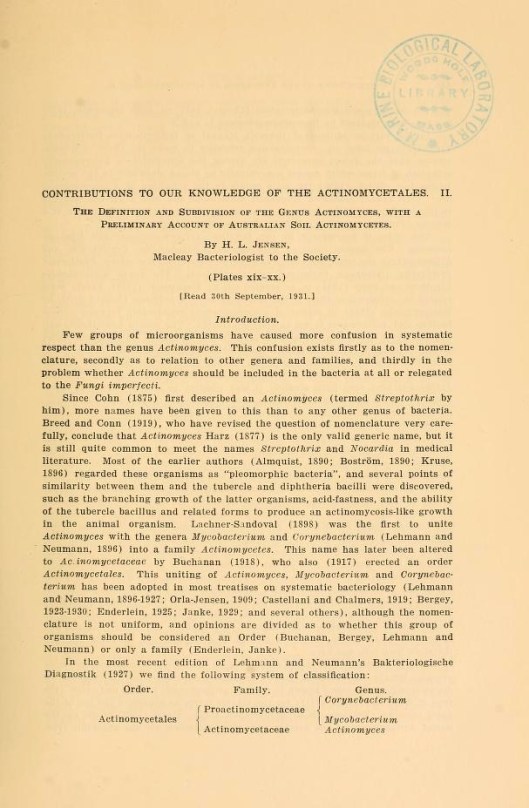
Stresptomyces hygroscopicus  (Actenomyces hygroscopicus synonimus) is a bacterial species in the genus Streptomyces. It was first described by Hans Laurits Jensen in 1931. He was born in Graese, he came under the influence of Professor Weis in the Department of Plant Physiology at the Agricultural University in Lyngby, Denmark. His growing interest in soil microbiology. Main terms to his work have been supplied by actinomycetes, coryneform bacteria, and both free-living and symbiotic nitrogen fixing bacteria.

Scientific classification

  • Kingdom: Bacteria
  • Phylum: Actinobacteria
  • Class: Actinobacteria
  • Order: Actinomycetales
  • Family: Streptomycetaceae
  • Genus: Streptomyces
  • Species: hygroscopicus
  • Subspecies: hygroscopicus angustmyceticus, S. hygroscopicus decoyicus, S. hygroscopicus glebosus, S.hygroscopicus hygroscopicus, S. hygroscopicus ossamyceticus


Sirolimus, also known as rapamycin, is a macrolide, is used in medicine to prevent organ transplant rejection and to treat lymphangioleiomyomatosis.

  • Was isolated for the first time in 1972 by Suren Sehgal and colleagues from samples of Streptomyces hygroscopicus found on Easter Island. Sirolimus was initially developed as an antifungal agent. However, this use was abandoned when it was discovered to have potent inmunosuppresive and antiproliferative properties due to its ability to inhibit mTOR
  • In the 1980s, found to have anticancer activity although the exact mechanism of action remained unknown until many years later.
  • Rapamycin was also it was approved by the US Food and Drug Administration in September 1999 and is marketed under the trade name.

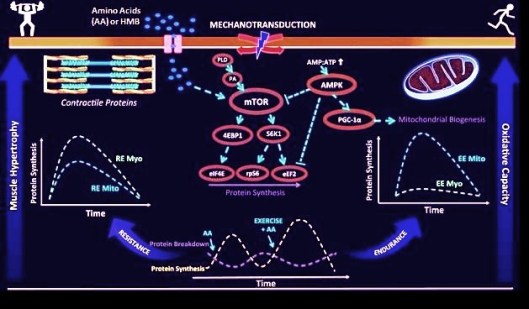
mTOR  inhibitors are a class of drugs that inhibit the mechanistic target of rapamycin (mTOR). One of the most promising antiaging mechanisms was discovered by accident. In 2001 biologist Valter Longo of the University of Souther Calirfornia went away for a weekend and forgot to feed yeast cells that he was using in an experiment. He was surprised to discover that starving them completely for a time made them live longer than usual. The reason, he learned, lay in a cascade of molecular actions usually referred to by the enzyme at its center, which is called mTOR.

This pathway was originally discovered years earlier thanks to a drug called rapamycin, which was found in soil bacteria. The drug, scientists learned, affected a mayor pathway regulation growth and division in the cell, like the circuit breaker in a tiny factory. Researchers named the path mTOR because it is a “mechanistic target of rapamycin”. When mTOR is activated, the “factory” (that is, the cell)

  • producing new proteins,
  • growing
  • and ultimately dividing.

When mTOR is bloked, suchs as by rapamycin cell growth and replication slow down or stop. This is why rapamycin has been effective as an immunosuppressor to protect transplanted organs and more recently as a cancer therapy; these conditions involve runaway cell division.

Silorimus inhibits IL-2 and other cytokines receptor-dependent signal transduction mechanisms, via action on mTOR, and thereby blocks activation of T and B cells. The mode of action of sirolimus is to bind the cytosolic protein FK-binding protein 12 (FKBP12) in a manner similar to tracrolimus. The sirolimus-FKBP12 complex inhibits the mTOR. Target Of Rapamycin,  pathway by directly binding to mTOR Complex 1 (mTORC1). mTOR  has also been called FRAP (FKBP-rapamycin-associated protein), RAFT (rapamycin and FKBP target), RAPT1, or SEP.

Sirolimus is metabolized by the CYP3A4 enzyme and is a substrate of the P-glycoprotein (P-gp) efflux pump. It has elinimation half-life of 57-63 hours. The byosynthesis of the rapamycin core is accomplished by a type 1 polyketide synthase (PKS) in conjunction with a nonribosomal peptide synthetase (NRPS). The domains responsible for the biosynthesis of the linear polyketide of rapamycin are organized into three myltienzymes, Rap A, Rap B, Rap C, which contain a total of 14 modules. Then, the linear polyketide is modified by the NRPS, Rap P, which attaches L-pipecolate to the terminal end of the polyketide, and then cyclizes the molecule, yielding the unbound product, pherapamycin.

When dosed appropriately, sirolimus can enhance the immune response to tumor targeting or otherwise promote tumor regression in clinical trials. Sirolimus seems to lower the cancer risk in some transplant patients. It was shown to inhibit the progression of dermal Kaposi´s sarcoma in patients with renal transplants. Other mTOR   inhibitors, such as temsirolimus or eversolimus, are being tested for use in cancers such as glioblastoma multiforme and mantle cell lymphoma.

A combination therapy of doxorubicin and sirolimus has been shown to drive AKT-positive lymphomas into remission in mice. Sirolimus blocks AKT signaling and the cells lose their resistance to the chemotherapy. Bcl-2-positive lymphomas were completely resistant to the therapy; eIF4E-expressing lymphomas are not sensitive to sirolimus.

mtor

mTOR  inhibitors are a class of drugs that inhibit the mechanistic target of rapamycin (mTOR), which is a serine/threonine-specific protein kinase that belongs to the family of phosphatidylinositol-3 kinase (PI3K) related kinases (PIKKs), Mtor  regulates cellular metabolism, growth, and proliferation by forming and signaling through two protein complexes:  mTOR1  and mTOR2.  The most established mTOR inhibitors are so-called rapalogs, which have shown tumor responses in clinical trials against various tumor types.

Many human tumors occur because of dysregulation of mTOR signaling, and can conferhigher susceptibility to inhibitors of mTOR. Deregulations of multiple elements of the mTOR pathway, like P13K amplification/mutation, PTEN loss of function, AKT overexpression, and S6K1, 4EBP1, and eIF4E overexpression have been related to many types of cancers. Therefore, mTOR is an interesting therapeutic target for treating multiple cancers, both the mTOR inhibitors themselves or in combination with inhibitors of other pathways.


Relation links:

  • Rapamycin

http://www.nature.com/nri/journal/v15/n10/box/nri3901_BX1.html

  • mTOR

https://www.youtube.com/watch?v=hbWUkArdptA


Bibliography:

  • Wikipedia
  • Jensen, HL (1931) “Contributions to our knowledge of actinomycetales” Biodiversity Heritage Library.
  • Vézina,C; Kudelski,A; Sehgal, S N (1975) “Rapamycin (AY-22,989), a new antigungal antibiotic. I. Taxonomuy of the producing streptomycete and isolation of the active principle”. The Journal of Antibiotics 28(10): 721-726.
  • Valter Long, Fabricio,P; Pozza, F; Plethcer,S; Gendrom, C.M; Longo, VD (2001) “Regulation of Logevity and Stross Resistence by Sch9 in Yeast”.
  • Chan S (2004) “Targeting the mmammalian target of rapamycin (mTOR): a new approach to treating cancer”. Br J Cancer 91(8)1420-4.
  • Wendel HG, De Stanchina E, Fridman JS, et al (2004) “Survival signaling by Akt and Eif4e in oncogenesis and cancer therapy”. Nature 428 (6980):332-7.Science Daily.
  • Novak, Kristine (2004) “Therapeutics: Means to an end” Nature Reviews Cancer 4:332.
  • Mayo Clinic Researches (2009) “Formulate Treatment Combination Lethal To Pancreatic Cancer Cells” Science, 292 (5515): 288-290. Doi:10//26/science.
  • Meric-Gernstam, F; Gonzalez-Angulo, A.M. (2009) “Targeting the Mtor Signaling Network for Cancer Therapy”. Journal of Clinical Oncology. 27 (13):2278-87.
  • Populo, Helena; Lopez, José Manuel; Soarez, Paula (2012) “The mTOR Signaling Patway in Human Cancer”. International Journal of Molecular Sciences.13 (12): 1886-918.
  • Bill Gifford (September  2016) “Will defeat aging”. Scientific American 58-60.

Knudson hypothesis: Tumor Suppressor Gene

Etiquetas

, , , , , , , ,

knudson-hypotesis

The hypothesis: that cancer is the result of accumulated mutations to a cell´s DNA. It was first proposed by Carl O. Nordling in 1953, and later formulated by Alfred G. Knudson in 1971.

The multi-mutation theory on cancer was proposed by Nordling in the British Journal of Cancer in 1953: “the outbreak of cancer requires the accumulations of six consecutive mutations”. Knudson performed a statistical analysis on cases of retinoblastoma, a tumor of the retina that occurs both as an inherited disease and sporadically.

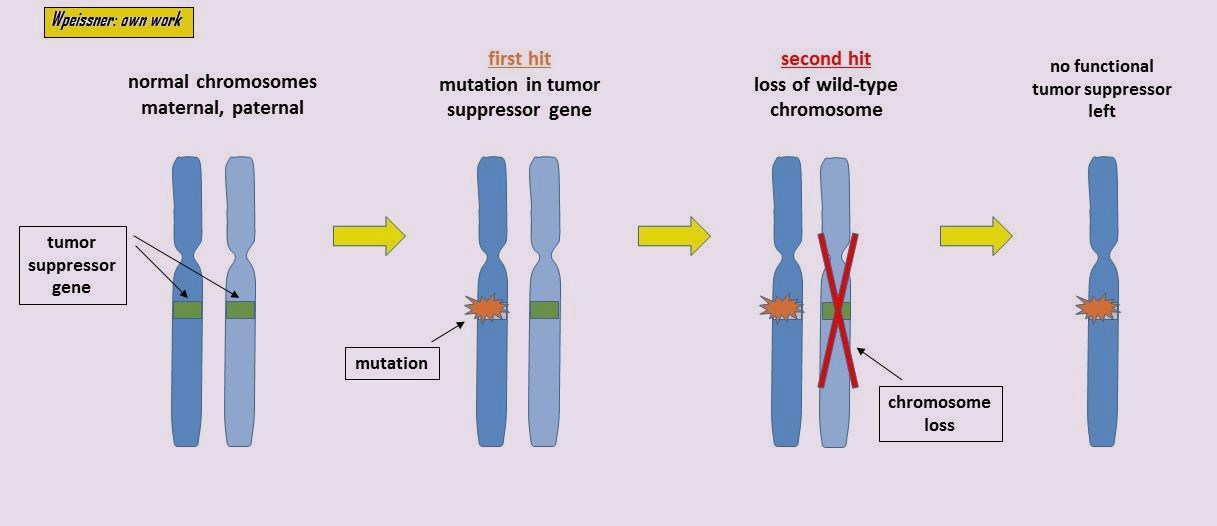
Knudson suggested that multiple “hits” to DNA were necessary to cause cancer. In the children with inherited retinoblastoma, the first insult was inherited in the DNA, and any second insult would rapidly lead to cancer. In non-inherited retinoblastoma, two “hits” had to take place before a tumor could develop, explaining the age difference.

It was later found that:

  • carcinogenesis (development of cancer)
  • depended both on the activation of proto-oncogenes (genes that stimulate cell proliferation) and on the desactivation of tumor suppressor genes (TSG), which are genes that keep proliferation in check.
  • Knudson´s hypothesis refers specifically, however, to the heterozygosity of tumor suppressor genes. A mutation in both alleles is required, as a single functional TSG is usually sufficient.

Tumor suppressor genes act as “brakes” to stop cells before they can travel down the road to cancer. A loss of function mutation in these genes can be disastrous. Some of these genes are involved in DNA repair processes, which help prevent the accumulation of mutations in cancer-related genes. Tumor suppressor genes act as “brakes” to stop cells in their tracks before they can take the road to cancer. Given this situation, loss of tumor suppressor gene function can be disastrous, and it often puts once-normal cells on the fast track to disease.


Knudson hypothesis (The Two-Hit Hypothesis or Multiple-hit hypothesis)

It was first proposed by geneticist Alfred Knudson in 1971. The two-hit hypothesis arose of out Knudson´s interest in the genetic mechanisms underlying retinoblastoma, a childhood form of retinal cancer.

Knudson studied 48 patients with retinoblastoma who had been admitted to the hospital between 1944 and 1969. Suggested that:

  1. An individual could inherit a germ-line mutation but not have disease
  2. While the majority of children with an affected parent had bilateral tumors (25-30%) some had only unilateral tumors (10-15%).


Furthermore, he determined that approximately 60% of retinoblastoma cases in the U.S. were unilateral and were not associated with a family history of the disease.


HEREDITARY:   Bilateral (25-30%), Unilateral (10-15%) : 35-45%

NONHEREDITARY:                             Unilateral (55 -65%): 55-65%

BILATERAL:                                                                                   25-30%

UNILATERAL:                                                                               70-75%


Knudson examined the age at which the children in these two groups were diagnosed with retinoblastoma: without an inherited mutation, the same cell would need to accumulate two mutations- one in each allele of the gene-and this process would be much slower.

The rate of diagnosis for unilateral nonhereditary retinoblastoma was delayed relative to that bilateral cases and showed a curve consistent with a two-mutation process.

Knudson concluded that retinoblastoma was caused by two mutations: one in each copy of a single tumor suppressor gene (RB1). He also estimated that each of the two mutations would occur at a rate of 2 x 10 -7 per year. Patients who inherited an RB1 mutation would develop tumors earlier, inherit a mutation would almost always be affected by a single tumor. This statement, which Knudson called the two-mutation hypothesis, is now known as the two-hit hypothesis.

“Loss of heterozygosity” is often used to describe the process that leads to the inactivation of the second copy of a tumor suppressor gene. A heterozygous cell receives a second hit in its remaining functional copy of the tumor suppressor gene, thereby becoming homozygous for the mutated gene. Mutations that inactivate tumor suppressor genes, called loss-of-function mutations, are often point mutations or small deletions that disrupt the function of the protein that is encoded by the gene; chromosomal deletions or breaks that delete the tumor suppressor gene; or instances of somatic recombination during which the normal gene copy is replaced with a mutant copy.

Knudson developed the two-hit hypothesis long before the human genome was sequenced, and the RB1 gene was itself discovered in 1986. Researches notice that: some cases of retinoblastoma were associated with a deletion of chromosome band 13q14 and then used restriction fragment length polymorphism (RFLP) analysis to isolate the RB1 gene (Friend et al 1986).

RB1 function has been shown to be inactivated by four distinct mechanisms:

  1. Genetic inactivation
  2. Sequestration of the RB1 –encoded protein by viral oncoproteins
  3. Phosphorylation of the RB1 –encoded protein
  4. And degradation of the RB1 –encoded protein


RB1 is one gene among a growing list of tumor suppressor genes. According to the American Cancer Society (2005): at least 30 different tumor suppressor genes have been identified:

  • RB1 Retinoblastoma: cell division, DNA replication, cell death
  • TP53 Li-Fraumeni syndrome (brain tumors, sarcomas, leukemia):cell division, DNA repair, cell death
  • CDKN2A Melanoma: cell division, cell death
  • APC Colorectal cancer (due to familial polyposis): cell division, DNA damage, cell migration, cell adhesion, cell death.
  • MLH1, MSH2, MSH6 Colorectal cancer (without polyposis): DNA mismatch repair, cell cycle regulation
  • BRCA1, BRCA2 Breast and/or ovarian cancer: Repair of double-stranded DNA breaks, cell division, cell death
  • WT1, WT2 Wilm´s tumor: Cell division, transcriptional regulation
  • NF1, NF2 Nerve tumors (including brain): RAS-mediated signal transduction, cell differentiation, cell division, developmental processes.
  • VHL Kidney cancer: Cell division, cell death, cell differentiation, response to cell stress.


Alfred George Knudson, Jr (1922-2016) was an American physician and geneticist specializing in cancer genetics. Knudson was born in Los Angeles, California in 1922, his M.D. from Columbia University in 1947 and his Ph.D. from California Institute of Technology in 1956. From 1970 to 1976, Knudson served as the Dean of Graduate School of Biomedical Sciences, University of Texas Health Science Center at Houston in the Texas Medical Center. He has been affiliated with the Fox Chase Cancer Center in Philadelphia from 1976 until his death in 2016.

Knudson is best known for his “two-hit hypothesis” explaining the incidence of hereditary cancers, such as retinoblastoma.

Our increasing knowledge of tumor suppressor gene function will continue to enhance our ability to diagnose and more effectively treat cancers at the molecular level in the years to come.

Bibliography:

  • Wikipedia
  • American Cancer Society 2005
  • British Journal of Cancer 1953 7, 68–72. doi:10.1038/bjc.1953.8 http://www.bjcancer. com … A New Theory on the Cancer-inducing Mechanism. C O Nordling
  • Nature Publishing Group Knudson, A. “Two genetic hits (more or less) to cancer. Nature Reviews Cancer 1, 160 – 2001.


Relation Links:


Tumor Suppressor Genes (Retinoblastoma and the two hit hypothesis, p


Dr. Al Knudson discusses the «Two-Hit» Theory


Nobel Prize & Autophagy: Yoshinori Ohsumi

Etiquetas

, , , , ,

autophagy

Autophagy has been known for over 50 years bus its fundamental importance in physiology and medicine was only recognized after Yoshinori Ohsumi´s paradigm-shifting research in the 1990´s. For his discoveries, he is awarded this year´s Nobel Prize in physiology or medicine.

For pioneering the molecular elucidation of autophagy, an essential intracelular, degradation system and when disordered, is linked to many diseases including neurodegeneration, cancer, and infection.

Dr. Yoshinori Ohsumi was born in Fukuoka in 1945. In 1963, he entered to The Univ. of Tokyo, and then he chose decisively to follow molecular biology as the path of his future. As a graduate student, Dr. Oshumi studied the initiation mechanism of E. coli ribosome and then action of colicin E3, which inhibits the translation of E.coli cells by binding to its receptor. Near the end of 1974, he enrolled in Rockefeller Univ., to study under Dr. G. M. Edelman. First Dr. Oshumi worked on in vitro fertilization in mice, then switched to work on the mechanism of initiation of DNA replication using yeast, which introduced him to yeast research. Dr. Ohsumi returned to Japan at the end of 1977, and worked as an assistant professor under Prof. Y. Anraku, at the Faculty of Science. The Univ. of Tokyo. Dr Ohsumi decided to take up the study of the yeast vacuolar membrane.

Dr. T. Yoshinori and N. Mizushima in his lab started studies on ATG genes in mammals and a student also worked on plant, proving studies on ATG system is well conserved in higher eukaryotes. However up to now, Dr. Ohsumi has focused on dissection of the molecular mechanism of the ATG proteins in yeast.

Autophagy is a process by which cellular components are captured into organelles called autophagosomes and then brought to the lysosome or vacuole to be broken down and recycled for other uses. It frequently comes into play during starvation, allowing cells to survive periods of privation.

He has:

  • Identified most of the proteins and pathways involved in the process
  • Demonstrated how they are regulated by proteins that sense cells metabolic states
  • Started to outline the fine mechanistic details of autophagosome formation in yeast

“The vacuole was thought to be just a garbage can in the cell, and nor very may people were interested in its physiology, so I thought it would be good to study transport in the vacuole because I would not have much competition. Another reason I chose study vacuole physiology is that, while I was in Dr. Edelman’s lab. We had tried to isolate nuclei from yeast cells, and along the way we discovered that it was easy to get pure preparations of vacuoles. Using these preparations, I was able to find many active transport systems in the vacuolar membrane, including the vacuolar-type ATPase that pumps protons into the vacuole”. (1992, The Rockefeller University Press).

I had a very simple idea: the vacuole can be detected under the light microscope, and it was already considered to be a garbage compartment where protein degradation takes place. So, I thought it would be easy to observe morphological change in the vacuoles of cells that were undergoing lots of degradation. Cell differentiation processes require lots of protein degradation, so I looked at vacuolar proteinase-deficient mutants, which cannot sporulate as normal cells do under nitrogen-starvation conditions, to see if I could observe any changes to vacuolar structure”.

The Nobel Assembly at Karolinska Institute has decided to award the 2016 Nobel Prize in Physiology or Medicine to Yoshinori Oshumi for his discoveries of mechanisms for autophagy (2016-10-03):

This year´s Nobel Laureate discovered and elucidated mechanisms underlying autophagy, a fundamental process for degrading and recycling cellular components.

Summary

The word autophagy originates from the Greek words auto-, meaning “self”, and phagein, meaning “to eat”. Thus, autophagy denotes “self eating”. This concept emerged during the 1960´s, when researches first observed that the cell could destroy its own contents by enclosing it in membranes, forming sack-like vesicles that were transported to a recycling compartment, called the lysosome, for degradation.  Brilliant experiments in the early 1990´s, Yoshinori Ohsumi used baker´s yeast to identify genes essential for autophagy in yeast and showed that similar sophisticated machinery is used in our cells. Importance of autophagy in many physiological processes, such as in the adaptation to starvation or response to infection. Mutations in autophagy genes can cause disease, and the autophagic process is involved in several conditions cancer and neurological disease.

Degradation- a central function in all living cells

In the mid 1950´s scientists observed a new specialized cellular compartment, called an organelle, containing enzymes that digest proteins, carbohydrates and lipids. This specialized compartment is referred to as a “lysosome” and functions as a workstation for degradation of cellular constituents. Further biochemical and microscopic analysis revealed a new type of vesicle transporting cellular cargo to the lysosome for degradation. Christian de Duve, the scientist behind the discovery of the lysosome, coined the term autophagy, “self-eating”, to describe this process. The new vesicles are named autophagosomes.

During the 1970´s and 1980´s researchers focused on elucidating another system used to degrade proteins, namely the “proteasome”. Aaron Ciechanover, Avram Hershko and Irwin Rose were awarded the 2004 Nobel Prize in Chemistry for “the discovery of ubiquitin-mediated protein degradation”.

A groundbreaking experiment

Ohsumi reasoned that if he could disrupt the degradation process in the vacuole while the process of autophagy was active, then autophagosomes should accumulate within the vacuole and become visible under the microscope. He therefore cultured mutated yeast lacking vacuolar degradation enzymes and simultaneously stimulated autophagy by starving the cells. The results were striking.

Autophagy genes are discovered

Ohsumi exposed the yeast cells to a chemical that randomly introduced mutations in many genes, and then he induced autophagy. His strategy worked, identified the first genes essential for autophagy. The results showed that autophagy is controlled by a cascade of proteins and protein complexes, each regulating a distinct stage of autophagosome initiation and formation. He studied thousands of yeast mutants and identified 15 genes that are essential for autophagy and the function of the proteins encoded by key autophagy genes. He delineated how stress signals initiate autophagy and the mechanism by which proteins and protein complexes promote distinct stages of autophagosome formation.

Autophagy- an essential mechanism in our cells

Thanks to Ohsumi, autophagy controls important physiological functions where cellular components need to be degraded and recycled. Autophagy can rapidly provide fuel for energy and building blocks for renewal of cellular components, and is therefore essential for the cellular response to starvation and other types of stress.

  • After infection, autophgy can eliminate invading intracellular bacteria and viruses.
  • Autophagy contributes to embryo development and cell differentiation
  • Cells also use autophagy to eliminate damaged proteins and organelles, a quality control mechanism that is critical for counteracting the negative consequences of aging.

Disrupted autophagy has been linked to:

  • Parkinson´s disease
  • Type 2 diabetes

Mutations in autophagy genes can cause genetic disease. Disturbances in the autophagic machinery have also been linked to cancer. Research is now ongoing to develop drugs that can target autophagy in various diseases.

Biography Yoshinori Ohsumi

  • 2016-present  Professor, Institute of Innovative Research, Tokyo Institute of Technology
  • 2014-present  Honorary Professor, Tokyo Institute of Technology
  • 2010-2016    Professor, Frontier Research Center, Tokyo Institute of Technology
  • 2009-2010    Professor, Advanced Research Organization, Integrated Research Institute, Tokyo Institute of Technology
  • 2004-2009    Professor, The Graduate University for Advanced Studies [SOKENDAI]
  • 1996-2009    Professor, Department of Cell Biology, National Institute for Basic Biology
  • 1988-1996    Associate Professor, Department of Biology, College of Arts and Sciences, The University of Tokyo
  • 1986-1988    Lecturer, Department of Biology, Faculty of Science, The University of Tokyo
  • 1977-1986    Research Associate, Department of Biology, Faculty of Science, The University of Tokyo, with Prof. Yasuhiro Anraku
  • 1974-1977    Postdoctoral Fellow, Rockefeller University with Prof. Gerald M. Edelman
  • 1972-1974    Research Fellow, Department of Agricultural Chemistry, Faculty of Agriculture, The University of Tokyo
  • 1967-1972    Graduate Student, Department of Biochemistry, College of Arts and Sciences, The University of Tokyo, with Prof. Kazutomo Imahori
  • 1963-1967    Undergraduate Student, Department of Basic Science, College of Arts and Sciences, The University of Tokyo Awards

Key publications

  • Takeshige, K., Baba, M., Tsuboi, S., Noda, T. and Ohsumi, Y. (1992). Autophagy in yeast demonstrated with proteinase-deficient mutants and conditions for its induction”. Journal of Cell Biology 119, 301-311
  • Tsukada, M. and Ohsumi, Y. (1993). Isolation and characterization of autophagy-defective mutants of Saccharomyces cervisiae”. FEBS Letters 333, 169-174
  • Mizushima, N., Noda, T., Yoshimori, T., Tanaka, Y., Ishii, T., George, M.D., Klionsky, D.J., Ohsumi, M. and Ohsumi, Y. (1998). A protein conjugation system essential for autophagy”. Nature 395, 395-398
  • Ichimura, Y., Kirisako T., Takao, T., Satomi, Y., Shimonishi, Y., Ishihara, N., Mizushima, N., Tanida, I., Kominami, E., Ohsumi, M., Noda, T. and Ohsumi, Y. (2000). A ubiquitin-like system mediates protein lipidation Nature, 408, 488-492

Related Links

  • Yoshinori Ohsumi wins medicine Nobel Prize

https://www.youtube.com/watch?v=81W5OwTdxjw

  • Autophagy

Resistencia de las bacterias a los antibióticos

Etiquetas

, , , , , ,

antibiotic_resistance_es

La llegada de los antibióticos ha sido una gran herramienta para las enfermedades bacterianas pero no la definitiva. La mutación espontánea de una bacteria haciéndose resistente al medicamento y la multiplicación, no es suficiente para explicar la resistencia tan elevada. La mutación de un gen ocurre una vez cada 10 a 1.000 millones de divisiones celulares, existen mecanismos de transferencia de transmisión genética en las bacterias que tienen que ser considerados como posibilidades.


El informe de la Organización Mundial de la Salud (OMS): “Antimicrobial resistance: global reporto n surveillance” la resistencia está afectando a muchos agentes infecciosos distintos, pero se centra en la resistencia a los antibióticos en siete bacterias de infecciones comunes graves: la septicemia, la diarrea, la neumonía, infecciones urinarias o la gonorrea.

Los principales puntos del informe son:

  • Resistencia a los antibióticos carbapenémicos: Klebsiella pneumoniae (bacteria intestinal), pneumoniae (infecciones nosocomiales- neumonías, las septicemias, las infecciones de los recién nacidos, pacientes ingresados en unidades de cuidados intensivos).
  • Resistencia a las fluoroquinolonas: tratamiento de las infecciones urinarias por coli.
  • Resistencia a las cefalosporinas: tratamientos de gonorrea.
  • Resistencia a los antibióticos en enfermedades de larga duración aumentando el riesgo de muerte. Staphylococcus aureus.


Datos de resistencias por regiones de la OMS

  • Región de África: coli, S. aureus
  • Región de las Américas: E.coli, K.pneumoniae, S.aureus
  • Región del Mediterráneo Oriental: penumoniae, S.aureus
  • Región de Europa: pneumoniae, S.aureus
  • Región de Asia Sudoriental: E.coli, K.pneumoniae
  • Región del Pacífico Occidental: E.coli, K. pneumoniae, S.aureus


Cronología de la resistencia a antibióticos (Wikipedia)

Antibiótico                        Descubrimiento       Introducción      Resistencia

  • Sulfonamidas                 1932                          1936                    1942
  • Betalactámicos              1928                          1938                    1945
  • Aminoglucósidos           1943                          1946                    1946
  • Cloranfenicoles             1946                          1948                    1950
  • Macrólidos                       1948                          1951                    1955
  • Tetraciclinas                   1944                          1952                     1950
  • Rifamicinas                     1957                          1958                    1962
  • Glucopéptidos                 1953                          1958                    1960
  • Quinolonas                      1961                           1968                    1968
  • Estreptograminas         1963                           1998                    1968
  • Oxazolidinonas              1955                            2000                    2001
  • Lipopéptidos                   1986                           2003                   1987
  • Fidaxomicina                  1948                           2011                     1977
  • Diarilquinolina               1997                           2012                    2006


Mecanismos de resistencia

El antibiótico se convierte en el primer factor de selección. La resistencia no es igual para toda la población, con diferencias morfológicas o bioquímicas, puede haber susceptibilidades totalmente diferentes, incluso en dosis bajas del antibiótico. Las resistencias no aparecen tan difundidas en Gram positivas, ya que no son capaces de incorporar plásmidos. En el caso de Gram negativos la resistencia se disemina ampliamente y se transfiere con facilidad.

1.Resistencias cromosómicas

Dan lugar a cambios estructurales, graduales, debidas a mutaciones en el proceso de replicación del ADN, por ejemplo a la estreptomicina, rifampicina, ácido nalidíxico y la vancomicina.

2. Resistencias transferibles

La bacteria adquiere información genética transferida de otra bacteria, que es resistente.  Puede prevenir ese material de microorganismos resistentes o de bacterias que producen antibióticos, a través de mecanismos de picking-up y recombinación de genes.

Según la “hipótesis del reservorio” (Sundin and Bender, 1996; Hayward and Griffin, 1994; van der Waaji et al, 1971; Stobbering et al, 1999), cierta concentración umbral de antibiótico es necesaria para inducir y luego mantener resistencias, sería aquella capaz de seleccionar bacterias, aún saprófitas. La supresión del uso del antibacteriano al que los microorganismos han desarrollado resistencia, bebería generar un fenómeno inverso, a través del cual, la población resistente, lentamente dejaría lugar a cepas susceptibles.


Mecanismos de transferencia de resistencias

  • Plásmidos: porciones circulares de ADN extracromosómico que puede estar codificado para resistencia a un determinado antibiótico. Cuando codifican resistencias se los denomina plásmidos R.
  • Transposones: genes saltarines, cadenas cortas de ADN que saltan de cromosoma a plásmido, en uno u otro sentido, entre plásmidos o entre plásmidos y bacteriófagos.
  • Integrones y casetes genéticos: se recombinan en un sitio específico y codifican resistencias a un solo antibiótico, junto con los transposones son los que más actúan en la adquisición de resistencias por parte de los plásmidos.

Mecanismos de resistencia

  • Inactivación enzimática: como en el caso de las betalactamasas, la bacteria la inactiva sin poder actuar.
  • Impermeabilidad de la membrana o pared celular: por ejemplo modificaciones en las porinas, lo que repercute en resistencias de bajo nivel a diversos antimicrobianos.
  • Expulsión por mecanismos activos del antibiótico: por ejemplo las resistencias a las tetraciclinas.
  • Modificación del sitio blanco del antibiótico en la bacteria: en algunos casos disminución de la afinidad del receptor por la molécula antimicrobiana.


Bacterias resistentes en la población humana

1.Infecciones hospitalarias 

  • Estafilococos meticilino-resistentes
  • Enterobacter cloacae
  • Enterococos
  • Pseudomonas aeruginosa

 2.Población urbana o rural

  • Streptococcus pneumoniae
  • Streptococcus pyogenes
  • Escherichia coli
  • Mycobacterium tuberculosis
  • Neisseria gonorrheae
  • Salmonella
  • Campylobacter


Bacterias animales en la población humana

  • Escherichia coli
  • Salmonella typhimurium
  • Campylobacter

Está ligado a eventuales transferencias entre especies,  humanos y animales. En EE.UU más del 70% de los antibióticos producidos se usan para alimentación animal (pollos, cerdos y vacas) en ausencia de enfermedad.


Instrumentos para hacer frente a la resistencia de antibióticos (OMS)

          Las personas

  • Utilizar solo antibióticos bajo prescripción médica
  • Completar el tratamiento prescrito
  • No dar los antibióticos a otras personas, ni utilizar los sobrantes

         Profesional sanitario y farmacéutico

  • Mejorar la prevención y el control de las infecciones
  • Prescribir y dispensar antibióticos solo cuando son necesarios
  • Prescribir y dispensar antibióticos adecuados para la enfermedad en cuestión

        Planificadores de políticas

  • Reforzar el seguimiento de la resistencia y capacidad de laboratorio
  • Regular el uso apropiado del medicamento

        Planificadores de políticas y la industria

  • Fomentar innovación y desarrollo de nuevos instrumentos
  • Promover cooperación y el intercambio de información entre todas las partes 


Links relacionados: 

  • Antibióticos Ministerio de Sanidad

http://www.antibioticos.msssi.gob.es/home.html 

  • Resistencia a los antibióticos

https://www.youtube.com/watch?v=5Mb0ICsd3L8


Barbara McClintok: regulación de la expresión génica

Etiquetas

, , , , , , , , , ,

barbara_mcclintock_sello

Barbara McClintok, es una científica en el desarrollo de la genética a la altura de Mendel, nació en Connecticut, Estados Unidos,  en 1902. Recibió el Premio Nobel de Medicina y Biología en 1983, por sus hallazgos sobre la existencia de estructuras móviles en los cromosomas. Las investigaciones fueron llevadas a cabo 30 años antes de recibirlo, trabajó sola y en su época no se daba la importancia que tenían sus observaciones, el premio tuvo un carácter retroactivo de sus aportaciones.

Durante la primera mitad del siglo XX, las investigaciones del papel de los cromosomas y los genes, se llevaron a cabo en plantas y el estudio de la mosca del vinagre.

Entre estos estudios uno de los que más han contribuido al conocimiento actual del cáncer fue la Dra. McClintok: “El ciclo de rotura, fusión y puente” y “las mutaciones de los genes” por la radiación fueron descubiertos en esta época. Durante la época como investigadora de Misuri, continuó la línea de mutagénesis mediante rayos X. Las rupturas producidas en el ADN durante la mitosis, desaparecían  las cromatidas rotas dando lugar a uniones después de la replicación del ADN, durante la inferfase de la siguiente mitosis, repitiéndose el ciclo y causando mutaciones masivas. Este ciclo de ruptura, fusión y formación de puentes cromosómicos demostró:

  1. La unión de cromosomas no es un proceso aleatorio
  2. Descubrió un método para producir mutaciones a gran escala, siendo así objeto de estudio en la investigación del cáncer.

Estas investigaciones abren nuevos campos en la biología y la medicina, en los años sesenta se vieron estructuras genéticas móviles en bacterias.

McClintok  llevó a cabo sus estudios en el maíz, vio que ciertas inestabilidades en las células de este, se debían a estructuras que se desplazaban en un mismo cromosoma. Iniciadora de la cartografía genética en el maíz, describió el primer mapa de ligamiento y puso de relieve el papel de los telómeros y centrómeros.

Su trabajo sobre la regulación génica y los elementos de control era complejo y novedoso en su época. Gracias a la reordenación se consigue la creación de gran cantidad de  anticuerpos por parte de los linfocitos de los vertebrados, en las cadenas pesadas las regiones se reorganizan aleatoriamente, pueden producirse unas 24.000 cadenas pesadas de anticuerpo diferente.

En 1939 fue la primera persona en describir los entrecruzamientos que se producen entre cromosomas homólogos durante la meiosis. En 1931 demostró que hay una relación entre el entrecruzamiento cromosómico meiótico y la recombinación de caracteres heredables. Así la recombinación de cromosomas y el fenotipo resultante daban lugar a la herencia de un nuevo carácter.

En los años cuarenta y cincuenta, descubrió el proceso de transposición de los elementos del genoma y lo empleó para explicar cómo los genes determinan características físicas. Los transposones aparecen en material genético procariota y eucariota, intervienen:

  • Enfermedades infecciosas
  • Resistencia bacteriana a los antibióticos
  • Cáncer
  • DNA Recombinante
  • Inmunología

Entre los años 1948 y 1959, desarrolló una hipótesis que explicaba como los elementos transponibles regulan la acción de los genes inhibiendo o modulándolos. Definió a Ds y Ac como unidades de control o elementos reguladores. La regulación génica puede explicar cómo los organismos multicelulares pueden diversificar las características de cada célula, aún cuando su genoma sea idéntico.   Su trabajo para la época era novedoso, sus contemporáneos mostraron desconfianza a sus descubrimientos.

La importancia de sus investigaciones no se valoraron hasta la década de los años 60 cuando los genetistas franceses François Jacob y Jacques Monod llegan a las mismas conclusiones trabajando con el operon lac. Tras la publicación en 1961 por ellos: “Genetic regulatory mechanisms in the synthesis of proteins” en Journal of Molecular Biology, McClintok escribió un artículo en American Naturalist comparando el funcionamiento del “operon lac” con el sistema Ac/Dc de maíz.

En los años 1970 se clonó Ac y Ds, mostrándose que eran transposones de clase II, Ac es un transposón completo, que codifica en su secuencia una transposasa funcional, lo que permite el movimiento a través del genoma.


Publicaciones importantes:

  • McClintock, Barbara (1929) “A cytological and genetical study of triploid maize”. Genetics 14:180-222
  • Greighton, Harriet B., and McClintok, Barbara (1931) “A Correlation of Cytological and Genetical Crossing-Over in Zea mays”. Proceedings of the National Academy of Scences 17:492-497
  • McClintock, Barbara (1931) “The order of the genes C, Sh, and W x in Zea Mays with reference to a cytologically known point in the chromosome”. Proceedings of the National Academy of Sciences 17:485-91
  • McClintock, Barbara (1941) “The stability of broken ends of chromosomes in Zea Mays”. Genetics 26:234-82
  • McClintock, Barbara (1945) “Neurospora: preliminary observations of the chromosomes of Neurospora crassa”. American Journal of Botany. 32:671-78
  • McClintock, Barbara (1950) “The origin and behavior of mutable loci in maize”. Proceedings of the National Academy of Sciences. 36:344-55
  • McClintock, Barbara (1953) “Induction of instability at selected loci in maize”Genetics 38:579-99
  • McClintock, Barbara (1961) “Some parallels between gene control systems in maize and in bacteria”. American Naturalist 95:265-77
  • McClintock, Barbara; Kato, T.A. & Blumenschein, A. (1981) “Chromosome constitution of races of maize. Its significance in the interpretation of relationships between races and varieties in the Americas”


Genes Mutadores

McClintok descubrió el efecto transponibilidad; unidades podían desplazarse físicamente en su posición dentro del mismo cromosma o también entre cromosomas distintos, llamó a estas unidades “elementos de control”, en unos casos puede actuar sobre sus vecinos genéticos inmediatos, y en otro caso, el elemento de control también puede determinar en qué momento se produce la actividad genética. El elemento de control son genes que regulan la actividad de otros genes a niveles muy básicos, contribuyendo con la mutabilidad. Monroe W. Strickberger


Transposición vía intermediarios de ADN y ARN

Los elementos que se mueven por transposición, se denominan “elementos transponibles” o “transposones”. Se dividen en dos clases generales, dependiendo si se transponen mediante un intermediario de ADN o por un intermediario de ARN.

Las secuencias de inserción se componen solamente del gen de la enzima que participa en la transposición (transposasa) flanqueada por repeticiones invertidas cortas, que son los sitios donde actúa la transposasa. Los transportes complejos se componen de dos secuencias de inserción que flanquean a otros genes, que se mueven como una unidad. Este mecanismo produce la integración de una copia del transposón en una nueva posición del genoma, mientras que la otra copia permanece en su posición original.

Los transposones que se trasladan mediante intermediarios de ADN se encuentran presentes en eucariotas además de en bacterias. El genoma humano contiene 300.000 transposones de ADN, que constituyen el 3% del genoma humano. El movimiento de estos transposones a sitios no específicos del genoma ha jugado un papel fundamental en la evolución estimulando las reorganizaciones de ADN, determinando cambios programados en la expresión génica.

La mayoría de los transposones en las células eucarióticas son “retrotansposones” que se trasladan vía transcripción inversa de intermediarios de ARN.  En el hombre casi hay 3 millones de copias de transposones, constituyendo más del 40% del genoma, la transcripción inversa de intermediarios de ARN, de forma similar a la replicación de los retrovirus. Estos retrotransposones incluyen a las secuencias altamente repetitivas LINE y SINE de los genomas de mamíferos. La Célula. Geoffry M. Cooper & Robert E. Hansman. 


Links relacionados:

  • Barbara McClintok en la Universidad de Cornell

https://www.youtube.com/watch?v=DVi5Xxvlt5Y

  • Transposones

https://www.youtube.com/watch?v=91vR-FKBMT4https://www.youtube.com/watch?v=CroyUMRpbxg

https://www.youtube.com/watch?v=iMJiGfP0QX8


Warburg Effect: metabolism in cancer cells

Etiquetas

, , , , , , , , , , , ,

ldh_activity-_normal_vs_canceous_cells

Nutrient utilization is dramatically altered when cells receive signals to proliferate. Characteristic metabolic changes enable cells to meet the large biosynthetic demands associated with cell growth and division.

The metabolism of glucose, the central macronutrient, allows for energy to be harnessed in the form of ATP through the oxidation of its carbon bonds. This process is essential for sustaining all mammalian life. In mammals, the end product can be lactate or, upon full oxidation of glucose via respiration in the mitochondria, CO2. In tumors and other proliferating or developing cells, the rate of glucose uptake dramatically increases and lactate is produced, even in the presence of oxygen and fully functioning mitochondria. This process, known as the Warburg Effect  (Jasson W. Locasale).

The Warburg effect is the observation that most cancer cells predominantly produce energy by a high rate of glycolysis followed by lactic acid fermentacion in the cytosol, rather than by a comparatively low rate of glycolysis followed by oxidation of pyruvate in mitochondria as in most normal cells. The latter process is aerobic (uses oxygen). Malignant, rapidly growing tumor cells typically have glycolytic rates up to 200 times higher than those of their normal tissues of origin; this occurs even if oxygen is plentiful.

Otto Warburg postulated this changed in metabolism is the fundamental cause of cancer, Today:Mutations in oncogenes and tumor suppressor genes are thought to be responsible for malignant transformation.

The Warburg effect may simply be a consequence of:

  1. Damage to the mitochondria in cancer
  2. An adaptation to low-oxygen environments within tumors
  3. Result of cancer genes shutting down the mitochondria

Because are involved in the cell´s apoptosis program which would otherwise kill cancerous cells.


Instead of fully respiring in the presence of adequate oxygen, cancer cells ferment. Cancer cells ferment glucose while keeping up the same level of respiration that was present before the process of carcinogenesis, and thus the Warburg effect would be defined as the observation that cancer cells exhibit glycolysis with lactate secretion and mitochondrial respiration even in the presence of oxygen.


Here we propose that the metabolism of cancer cells, and indeed all proliferating cells, is adapted to facilitate the uptake and incorporation of nutrients into the biomass (e.g., nucleotides, amino acids, and lipids) needed to produce a new cell. (Lewis C. Cantley).


In multicellular organisms, most cells are exposed to a constant supply of nutrients. Survival of the organism requires control systems that prevent aberrant individuall cell proliferation when nutrient availability exceeds the levels needed to support cell division.

The Warburg Effect may present an advantage for cell growth in a multicellular environment. Acidification of the microenvironment and other metabolic crosstalk are intrigruing possibilities. Elevated glucose metabolism decreases the pH in the microenvironment drives local invasion (Estrella, V et al, Cancer Res.) An acid-mediated invasion hypothesis suggests that H+ ions secreted from cancer cells diffuse into the surrounding environment and alter the tumor-stroma interface, allowing for enhanced invasiveness .


Warburg´s  hypothesis was postulated by the Nobel laureate Otto Heinrich Warburg in 1924.Warburg reported a fundamental difference between normal and cancerous cells to be the ratio of glycolysis to respiration; this observation is also known as the Warburg effect.

Warburg articulated his hypothesis in a paper entitled “The Prime Cause and Prevention of Cancer”, which he presented in lecture at the meeting of the Nobel-Laureates on June 30, 1966 (Lake Constance).

Was a German physiologist, medical doctor. He served as an officer in the elite Uhlan during the First World War, and was awarded the Iron Cross for bravery. Earned his Doctor of Chemistry in Berlin in 1906.

Studies published since 2005 have shown that the Warburg effect, indeed, might lead to a promising approach in the treatment of solid tumors.


Besides promising human research at :

  • the Deparment of Medicine, University of Alberta led by Dr. Evangelos Michelakis other glycotic inhibitors besides DCA that hold promise include Bromopyruvic being researched
  • University of Texas, M.D. Anderson Cancer Center, 2-deoxyglucose (2-DG)
  • Emory University School of Medicine, and lactate dehydrogensase A
  • Johns Hopkins University School of Medicine


Links:

  • Otto Warburg-Nobelprize.org

http://www.nobelprize.org/nobel_prizes/medicine/laureates/1931/warburg-bio.html 

  • Otto Warburg effect

https://www.youtube.com/watch?v=ZVNs1aOKHw8

Fiebre hemorrágica de Crimea-Congo

Etiquetas

, , , , , , , , , , , ,

OMS

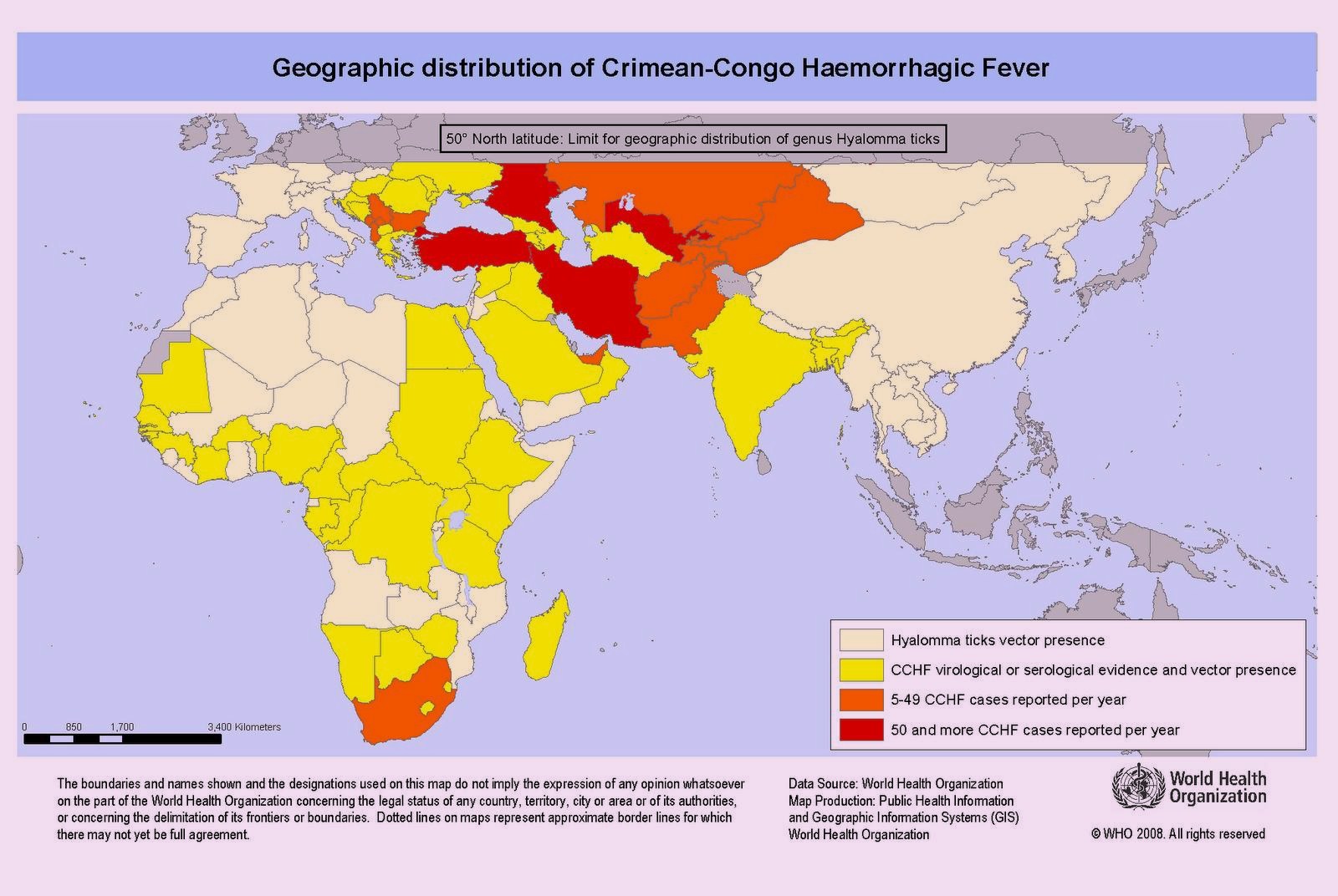
La presencia del virus CCHF es endémica en África, los Balcanes, Oriente Medio y Asia en los países situados por debajo de los 50 grados de latitud norte, es límite geográfico en la cuenca Mediterránea de la garrapata Hyalomma que es el vector principal (OMS).

Este virus causa graves brotes de fiebre hemorrágica viral, con una tasa de letalidad de entre el 10% y el 40%.

La fiebre hemorrágica de Crimea-Congo (FHCC), ha provocado en España la muerte de un hombre de 62 años en el hospital Gregorio Marañón de Madrid y un contagio a una enfermera del Hospital Infanta Leonor.

La presencia de este virus ya se había dado con anterioridad en España en 2011. Fue aislado en Cáceres, en las lindes del río Tajo en la frontera portuguesa, oculto en garrapatas que infectan a ciervos y otros animales.

La hipótesis más lógica es que este virus llega a España a bordo de aves migratorias.


La primera descripción de una fiebre hemorrágica se produjo en la península de Crimea en 1944, afectando a tropas soviéticas en la recogida de la cosecha, que dormían a la intemperie y fueron picadas por garrapatas Hyalomma marginatum, se demostró la etiología vírica al año siguiente aunque el virus no pudo aislarse hasta 1967. En 1969 se demostró que el agente de la fiebre de Crimea era idéntico a un virus aislado en 1956 de sangre de un paciente del antiguo Zaire (la actual República Democrática del Congo), como consecuencia, se han utilizado los nombres de ambos países para describir la enfermedad (Hoogstraal, 1979).


El virus de la fiebre hemorrágica de Crimea-Congo, también conocido por sus siglas en inglés, CCHFV (Crimean-Congo Hemorrahagic Fever Virus), es un agente infeccioso que pertenece al

  • Género Nairovirus, de la
  • Familia Bunyaviridae.
  • Serogrupo CCHF (Crimean Congo Hemorragic Fever)

Comprende:

  • el virus Hazara (aislado de ixódidos en Pakistán)
  • el virus Khasan (aislado de ixódidos de la antigua URSS)


El virus CCHF es lábil en tejidos infectados después de la muerte, posiblemente por la caída del Ph, pero su infectividad persiste varios días a temperatura ambiente en suero separado y por más de tres semanas a 4ºC. La infectividad desaparece cuando se someten a autoclave, pero son estables a -60ºC.

El virus se ha aislado en al menos 30 especies de garrapatas, como:

  • Amblyomma variegatum , A. hebraeum
  • Rhipicephalus appendiculatus, R. rossicus, R. evertsi
  • Dermacentor marginatus
  • Hyalomma truncatum, H. impeltatum, H. dromedarii, Hyalomma marginatum


El ciclo natural del VFHCC incluye la transmisión transovárica y la transestadial entre garrapatas y un ciclo de garrapata-vertebrado-garrapata. La infección también puede transferirse entre garrapatas infectadas y no infectadas cuando se alimentan al mismo tiempo en un hospedador: “transmisión no virémica” (Naica et al. 2007).

Los huéspedes del virus de la FHCC son:

  • una amplia variedad de animales salvajes ( liebres, erizos y roedores) y domésticos ( como vacas, ovejas y cabras) del que se alimentan las garrapatas del género Hyalomma.
  • Los grandes herbívoros son hospedadores preferidos de las garrapatas adultas, y los pequeños como roedores y lagomorfos, de las formas larvarias. El principal mecanismo amplificador que asegura la perpetuidad del virus y facilita su transmisión transestadial por garrapatas adultas a grandes vertebrados, es la adquisición de la infección por formas inmaduras en pequeños vertebrados.
  • Muchas aves son resistentes a la infección, pero los avestruces son vulnerables (parasitados por hialomas adultos) (Swanepoel et al. 1998).. En España hay granjas de avestruces. Paseriformes y gallinas domésticas parecen ser refractarias.


El virus se transmite a las personas ya sea por la picadura de garrapatas o por contacto con la sangre o tejidos animales infectados durante o inmediatamente después de la matanza. La mayoría de los casos se han dado en personas relacionadas con la industria ganadera (trabajadores agrícolas, trabajadores de mataderos y veterinarios).Tras la incubación, el ser humano puede presentar una enfermedad grave con una fase pre-hemorrágica, una fase hemorrágica y un periodo de convalecencia. Los signos hemorrágicos pueden oscilar entre petequias y grandes hematomas. Puede observarse sangrado en la nariz, el tracto gastrointestinal, el útero y el tracto urinario, y en el tracto respiratorio (Ergonul, 200; Yen et al., 1985; Yilmaz et al. 2008).


El tratamiento general de sostén contra los síntomas es la principal opción ante esos casos. Se ha utilizado el antiviral ribavirina, para tratar la infección. Tanto la preparación oral como la intravenosa parecen eficaces.

Es difícil prevenir o controlar la infección en los animales y las garrapatas, debido a que tanto el ciclo garrapata-animal-garrapata como la infección de los animales domésticos suelen pasar desapercibidos.

No se dispone de vacuna para los animales. A falta de vacuna, la única manera de reducir la infección humana es la sensibilización sobre los factores de riesgo y la educación de la población acerca de las medidas que pueden adoptarse para reducir la exposición al virus.


La OMS da las siguientes recomendaciones:


Reducción del riesgo de transmisión de garrapatas al ser humano

  • Usar ropa protectora (manga larga, pantalones largos)
  • Usar ropa de color claro para poder detectar fácilmente las garrapatas adheridas a ella
  • Usar acaricidas autorizados
  • Aplicar repelentes autorizados en la piel y la ropa
  • Examinar regularmente la ropa y la piel en busca de garrapatas y en caso de encontrar alguna eliminarla de forma segura
  • Eliminar y controlar las infestaciones por garrapatas en los animales y en los establos y graneroEvitar las zonas en que abunden las garrapatas, y las estaciones en que están activa


Reducción del riesgo de transmisión de los animales al hombre

  • Usar guantes y otro tipo de ropa protectora durante la manipulación de los animales y de sus tejidos en las zonas endémicas, sobre todo durante la matanza y el despiece y en los procedimientos de sacrificio realizados en mataderos o en el hogar
  • Someter a los animales a cuarentena antes de llevarlos al matadero o tratarlos sistemáticamente con plaguicidas dos semanas antes de la matanza.


Reducción del riesgo de transmisión entre personas en la comunidad

  • Evitar el contacto físico próximo con personas infectadas por el virus de la FHCC
  • Usar guantes y equipo de protección al atender a los enfermos
  • Lavarse siempre las manos después de cuidar o visitar a los enfermos

La OMS está colaborando para apoyar la vigilancia de la FHCC, tanto el diagnóstico de la enfermedad como respuesta a los brotes en Europa, Oriente Medio, Asia y África.


Links relacionados:

  • OMS

http://www.who.int/mediacentre/factsheets/fs208/es/

  • Blog Madrid de Virus Emergentes

http://www.madrimasd.org/blogs/virusemergentes/2016/09/fiebre-hemorragica-de-crimea-congo-en-espana-1-la-alerta/